1) How long does it take to ship a vehicle nationwide?
Vehicle shipping timelines depend on distance, route availability, weather, and carrier scheduling.
Short-distance shipments may take 1–5 days, while coast-to-coast auto transport typically takes 7–10 days
once the vehicle is picked up. Pickup windows are influenced by driver availability in your area.
Expedited auto transport options are available for customers who need faster scheduling, though pricing
may be higher. The most accurate way to estimate delivery is by requesting a quote with your exact pickup
and delivery locations.
2) What is the difference between open and enclosed auto transport?
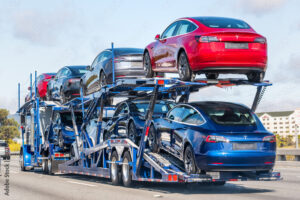
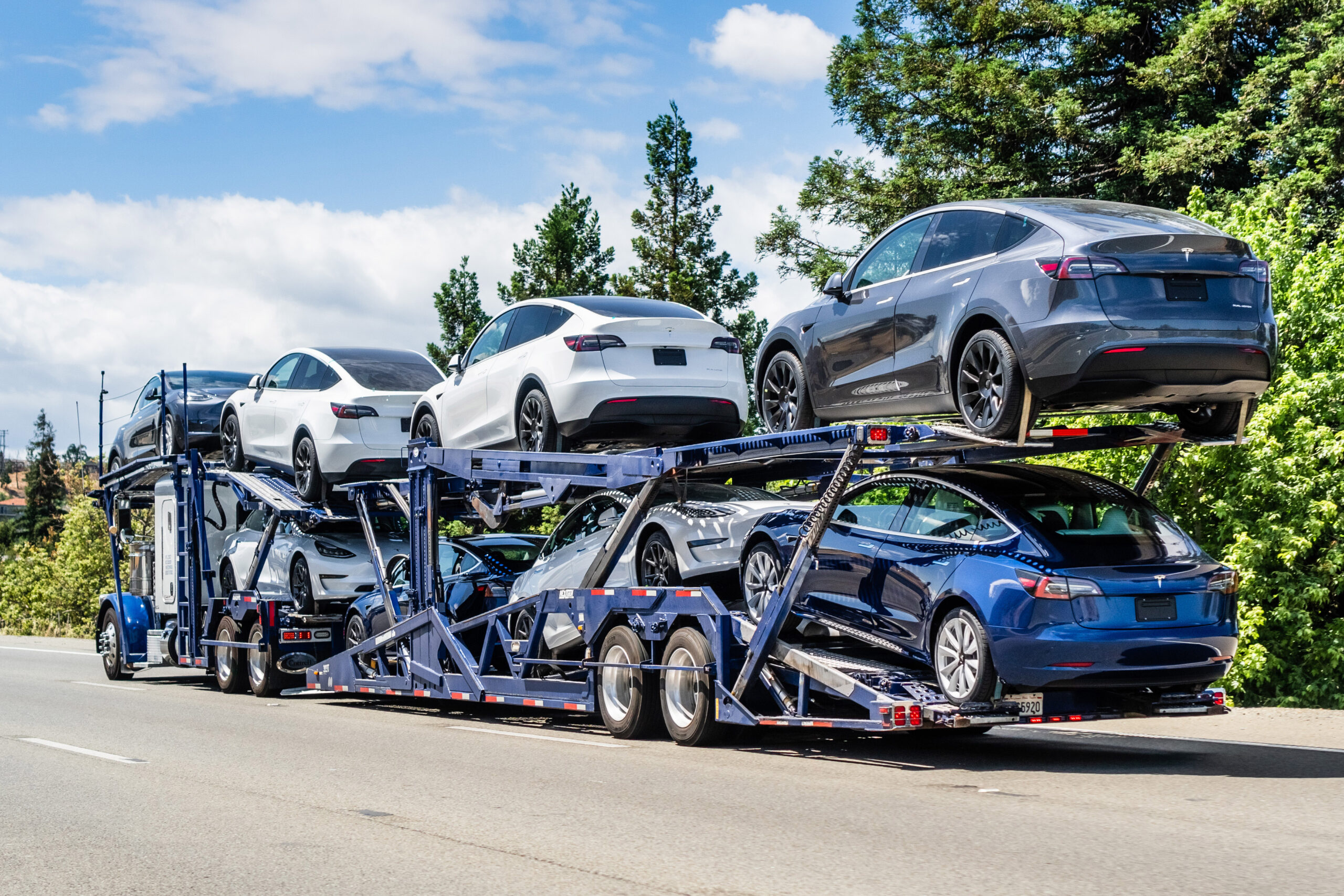
Open auto transport is the most common and cost-effective option for shipping vehicles nationwide.
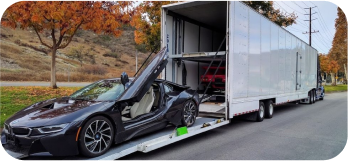
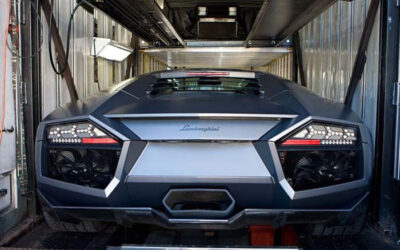
Cars are transported on open trailers similar to those used by dealerships. Enclosed auto transport
provides added protection by shipping vehicles inside covered trailers, shielding them from weather
and road debris. Enclosed shipping is often selected for classic cars, luxury vehicles, exotic models,
or low-clearance vehicles. Both transport options use licensed and insured carriers.
3) How much does it cost to ship a car?
The cost to ship a car depends on distance, vehicle size, transport type, fuel prices, seasonal demand,
and route accessibility. Door-to-door auto transport is the most common option and may cost more than
terminal-based services. Enclosed transport and expedited shipping typically increase pricing due to
limited carrier availability. For the most accurate pricing, customers should provide the vehicle
year, make, model, operability, and exact locations.
4) Is my vehicle insured during transport?
Yes. All vehicles are transported by carriers that maintain active cargo insurance and liability coverage.
Coverage limits vary depending on the carrier and trailer type. At pickup, the driver completes a detailed
vehicle inspection documented on the Bill of Lading. A second inspection occurs at delivery to confirm
condition. Any issues should be noted immediately on delivery paperwork to support insurance claims.
5) How do I prepare my car for auto transport?
Customers should remove all personal items, toll devices, and loose accessories before shipping.
Vehicles should be clean to allow accurate inspections at pickup and delivery. A quarter tank of fuel
is recommended. Tires should be inflated, batteries charged, and alarms disabled. One set of keys must
be provided to the carrier. If the vehicle is inoperable, this must be disclosed in advance.
6) Can I ship personal items in my vehicle?
Most auto transport carriers do not recommend shipping personal items inside vehicles. Personal belongings
are typically not covered by cargo insurance and can create safety or compliance issues. Some carriers
may allow limited items in the trunk, but policies vary. Customers should confirm restrictions before
pickup and keep personal belongings to a minimum.
7) What pickup and delivery options are available?
Door-to-door auto transport is the most popular option and allows vehicles to be picked up and delivered
as close to the specified addresses as safely possible. Large transport trucks may require alternate
meeting locations due to access restrictions. Terminal-to-terminal transport is available in limited
markets but is less commonly used today.
8) Do you ship inoperable or modified vehicles?
Yes. Inoperable vehicles require specialized equipment such as winches or liftgates, which affects pricing.
Modified vehicles with low clearance or oversized components should be disclosed to ensure proper trailer
selection. Enclosed or specialized equipment may be recommended for these shipments.
9) How do I choose a reliable car shipping company?
Customers should verify that a company works with licensed and insured carriers and provides transparent
pricing. Reliable companies communicate clearly about pickup windows, insurance coverage, and delivery
expectations. Consistent reviews, clear contracts, and responsive communication are key indicators of
a trustworthy auto transport provider.
10) What happens if my vehicle is delayed or damaged?
Delays may occur due to weather, traffic, mechanical issues, or DOT regulations. Customers should receive
updates if timelines change. If damage is noticed at delivery, it must be documented on the Bill of Lading
before signing. Photos and prompt communication help ensure proper handling through the carrier’s
insurance process.